A Meal-Systems Approach to Weeknight Dinners

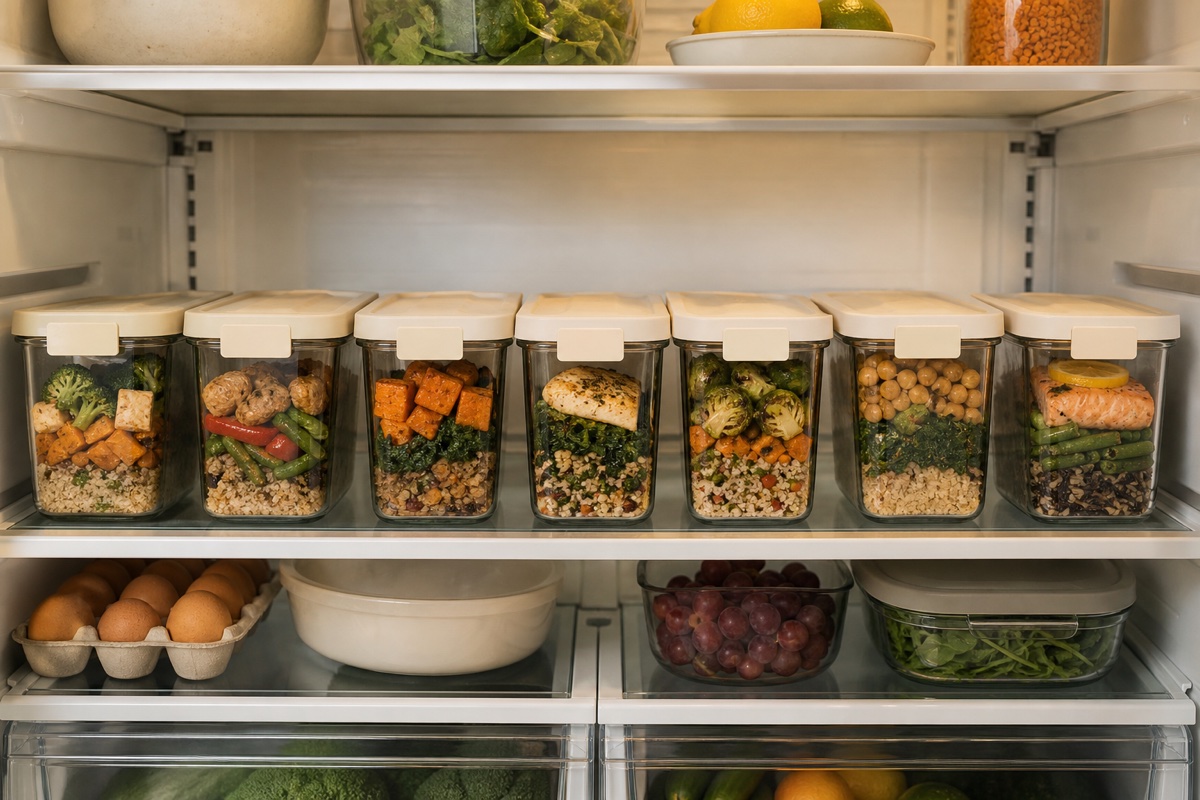
“What’s for dinner” asked fresh every single night is a small decision, repeated seven times a week, fifty-two weeks a year — and small decisions repeated that often add up to real fatigue, even though each one individually feels trivial. A meal system is the fix: solve the shape of the week once, and let the daily question shrink from “what should I cook” to “which of the ready components am I combining tonight.”
Planning versus systems — the actual difference
Traditional meal planning asks you to decide every specific dish for the week in advance: Monday is stir-fry, Tuesday is tacos, and so on. It works, but it’s fragile. One schedule change and the whole plan needs re-deciding. A meal system instead prepares flexible components (two batch-cooked proteins, a base grain, a rotation of dressings) and leaves the specific combination for the night itself, which is a smaller, faster decision than planning a whole dish from scratch.
The core mechanic: separate “cook” from “assemble”
Almost every system on this site follows the same underlying shape: a batch cooking session that produces components, not finished meals, followed by fast assembly on the night. The Two-Pot Week is the clearest example — two proteins cooked in parallel on a Sunday, remixed into different dinners across the week without repeating the cooking step.
This split matters because cooking and deciding are different kinds of effort, and doing both simultaneously every single night is where most people’s energy for dinner actually runs out. Batch the effortful part once; keep the nightly part down to reheating and combining.
Why this beats “just cook simpler meals”
The advice to simplify weeknight cooking is reasonable but incomplete. A simpler recipe still requires a decision about what that simpler recipe is, every single night. A system removes that decision almost entirely for most nights of the week, which is a bigger reduction in mental load than a shorter ingredient list achieves on its own.
Building your first system
Start with one batch-cooking session and two components, not five. Pick a protein you don’t mind eating a few different ways across a week, cook a double portion, and plan three loosely different assemblies for it — a bowl, a wrap, a salad. Once that’s running smoothly, add a second protein and the variety multiplies without the effort doing the same.
Where this gets deeper
This site’s version of meal systems stays at the level of philosophy and a small, curated set of core systems — the Two-Pot Week, the Freezer Buffer, and a couple of others. If you want a genuinely deep, constantly expanding archive of recipes built around this exact philosophy — more combinations, more batch-cooking templates, more variety within the system — that’s what Busse Kitchen exists for. Same underlying approach, considerably more recipes to run it with.
Frequently asked questions
Isn't this just meal planning with a different name?
Partly, but the emphasis is different — meal planning usually means deciding every dish in advance, while a meal system means preparing flexible components and deciding the specific combination later, closer to when you're actually eating.
Related guides and recipes
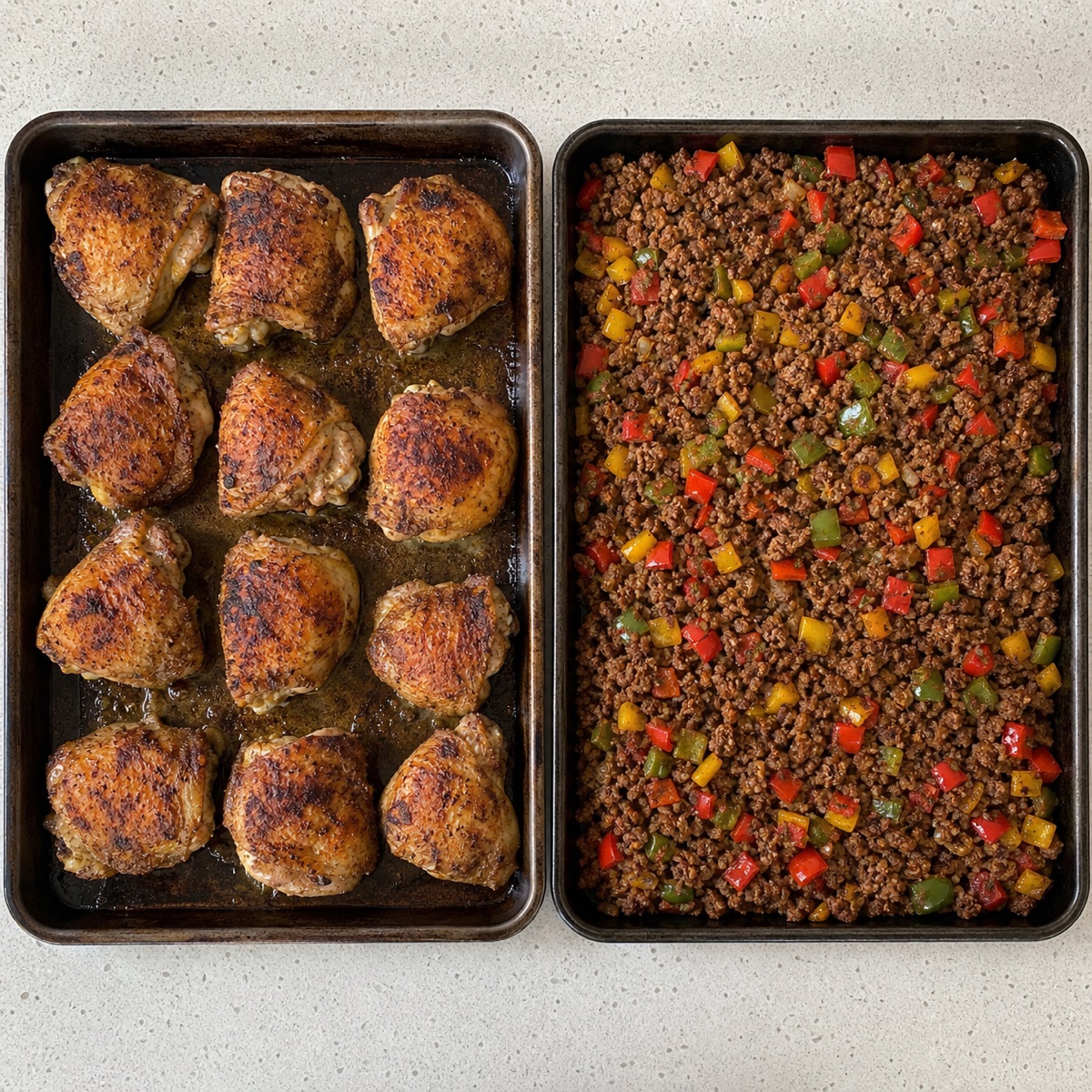
The Sunday Two-Protein Batch
Roast chicken thighs and a tray of spiced beef mince on the same Sunday afternoon — the base for four different dinners by Wednesday.
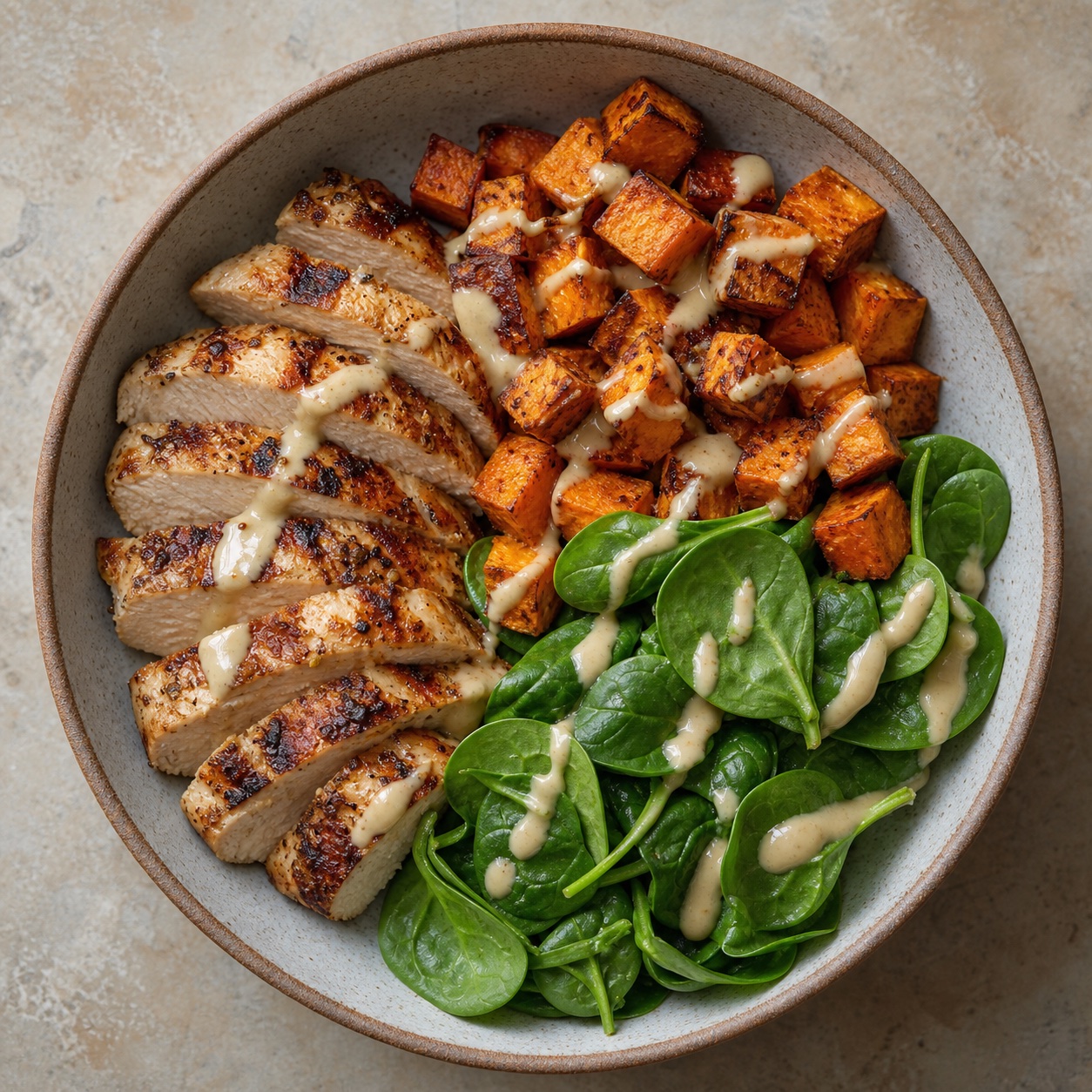
The High-Protein Grain Bowl I Make on Repeat
Grilled chicken, roasted sweet potato, and greens over brown rice — built to reheat for three days without turning to mush.
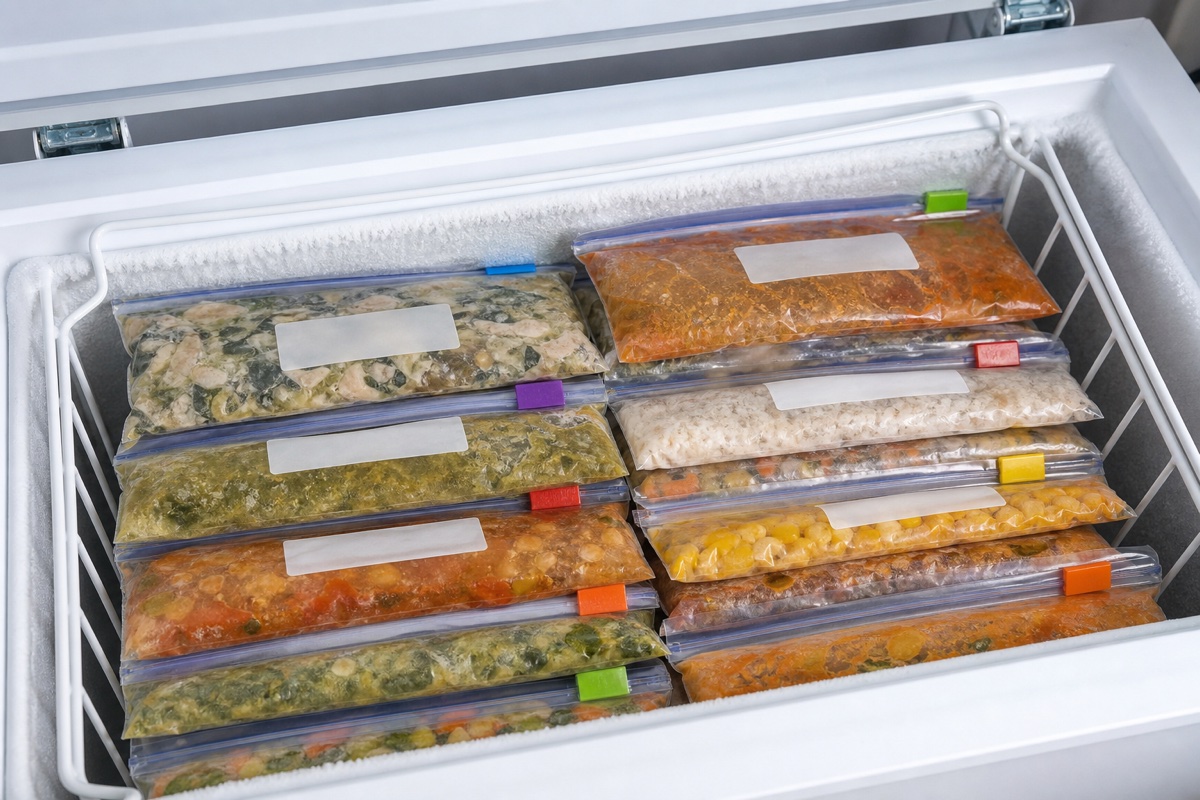
How to Build a Two-Week Freezer Buffer
A step-by-step system for building a rotating freezer buffer that survives your busiest weeks — not a stockpile you forget about.