Do You Really Need 25g of Protein Per Meal?

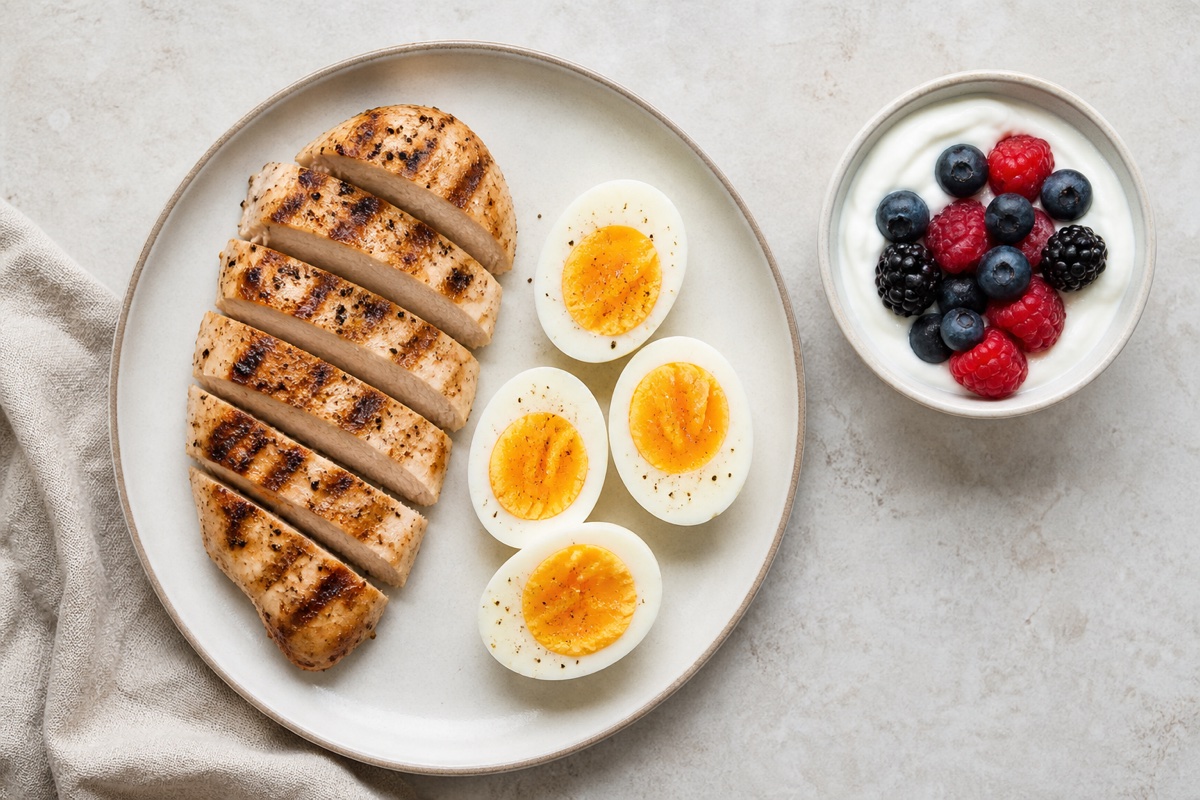
“25g of protein per meal” shows up everywhere in nutrition content, stated with enough confidence that it starts to sound like a fixed biological law. It isn’t one — it’s a rough, genuinely useful guideline that comes from a specific, narrower body of research than the way it usually gets repeated.
Where the number actually comes from
The 25–30g figure is drawn largely from research on muscle protein synthesis — the process by which your body rebuilds and maintains muscle tissue — which found that protein intake per meal shows diminishing returns for stimulating that process somewhere in that range, for a given individual’s body size and training status. It’s not a number about survival or general health; it’s specifically about maximising one physiological process, and it varies by body size, activity level, and age.
Why it got repeated as a satiety rule too
Separately, protein has a well-established effect on satiety. Meals with adequate protein tend to leave people feeling fuller for longer than equal-calorie meals lower in protein. The 25g figure and the satiety conversation ended up merged in a lot of popular nutrition content, even though they come from different bodies of research asking different questions. The number is a reasonable rough target for both purposes, but it isn’t derived from a single unified finding the way it’s often presented.
What it’s actually useful for
As a practical floor for main meals, 25g is a sensible target. It’s enough to support meaningful satiety and contribute usefully toward muscle maintenance, without requiring you to calculate anything precisely — a good default for breakfast, lunch, and dinner, without needing to hit it exactly every time.
Where it stops being a hard rule
Below 25g isn’t a failure. It’s just a meal likely to leave you hungrier sooner. Above roughly 30–40g in a single sitting, returns diminish for both satiety and the muscle-protein-synthesis mechanism the original figure comes from; the body doesn’t meaningfully “use” unlimited protein in one meal the way the number sometimes gets marketed. Total daily protein, spread reasonably across meals, matters more than hitting a specific number in any single sitting.
The practical takeaway
Treat 25g as a useful rough target, not a threshold you’ve failed to clear if a meal comes in at 18g or 20g. The recipes on this site built around the high-protein category — like the grain bowl or the freezer turkey chilli — land comfortably in or above that range, which is a reasonable habit to build without needing to weigh and calculate every plate.
Where to go for the full evidence breakdown
This piece deliberately stays at the “useful mental model” level rather than working through the underlying studies one by one — that kind of study-by-study evidence breakdown, citations included, is exactly what SmartPlate is built for. If you want the actual research behind the muscle-protein-synthesis threshold specifically, that’s the sibling site to go looking on.
Frequently asked questions
What happens if I eat less than 25g at a meal?
Nothing dramatic — it's a satiety and practicality guideline, not a biological cliff edge. You'll likely feel hungry sooner, not deficient.
Is more always better?
No — past a certain point (roughly 30–40g in one sitting for most people), additional protein in a single meal shows diminishing returns for satiety and muscle protein synthesis. Spreading intake across meals matters more than maximising any single one.
Related guides and recipes
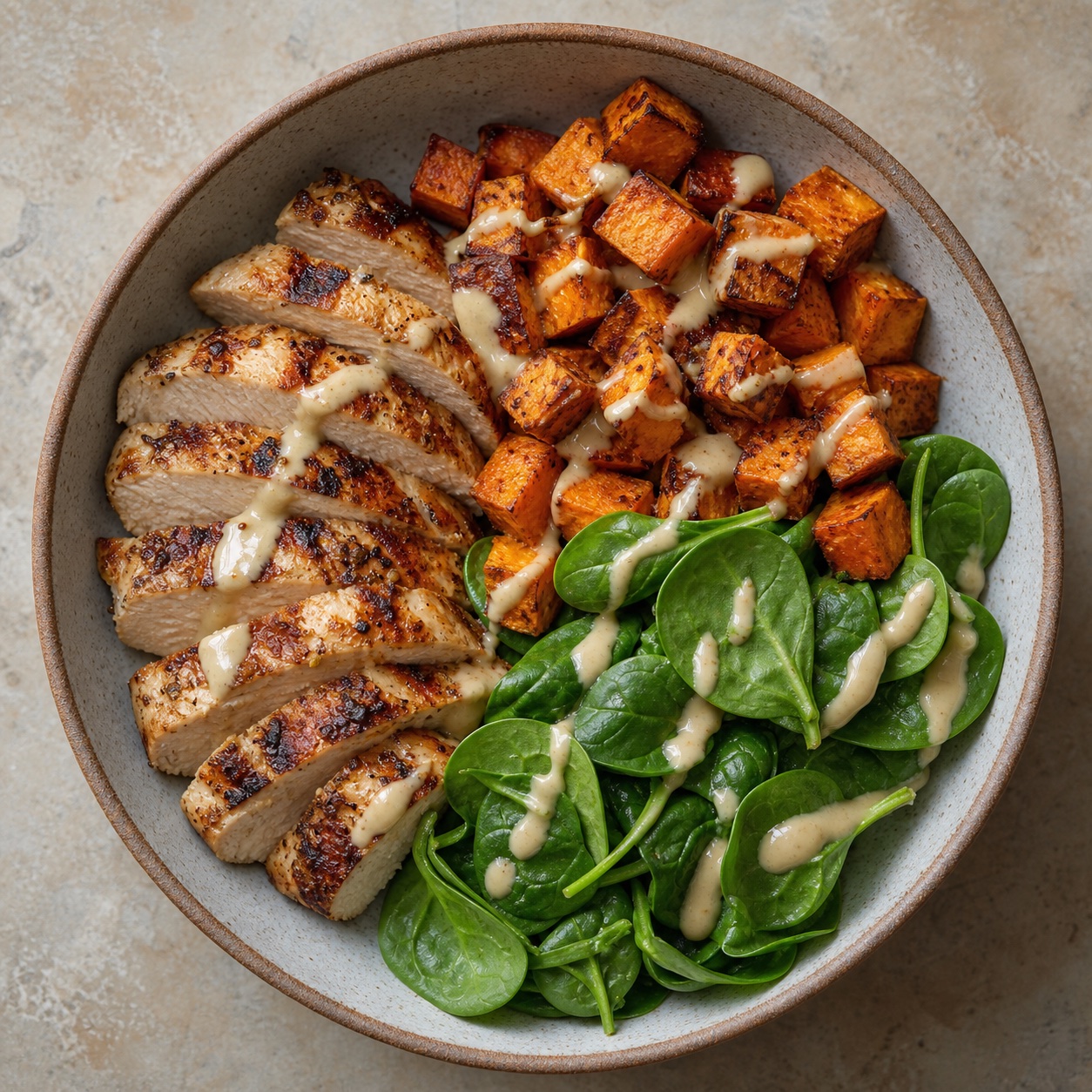
The High-Protein Grain Bowl I Make on Repeat
Grilled chicken, roasted sweet potato, and greens over brown rice — built to reheat for three days without turning to mush.
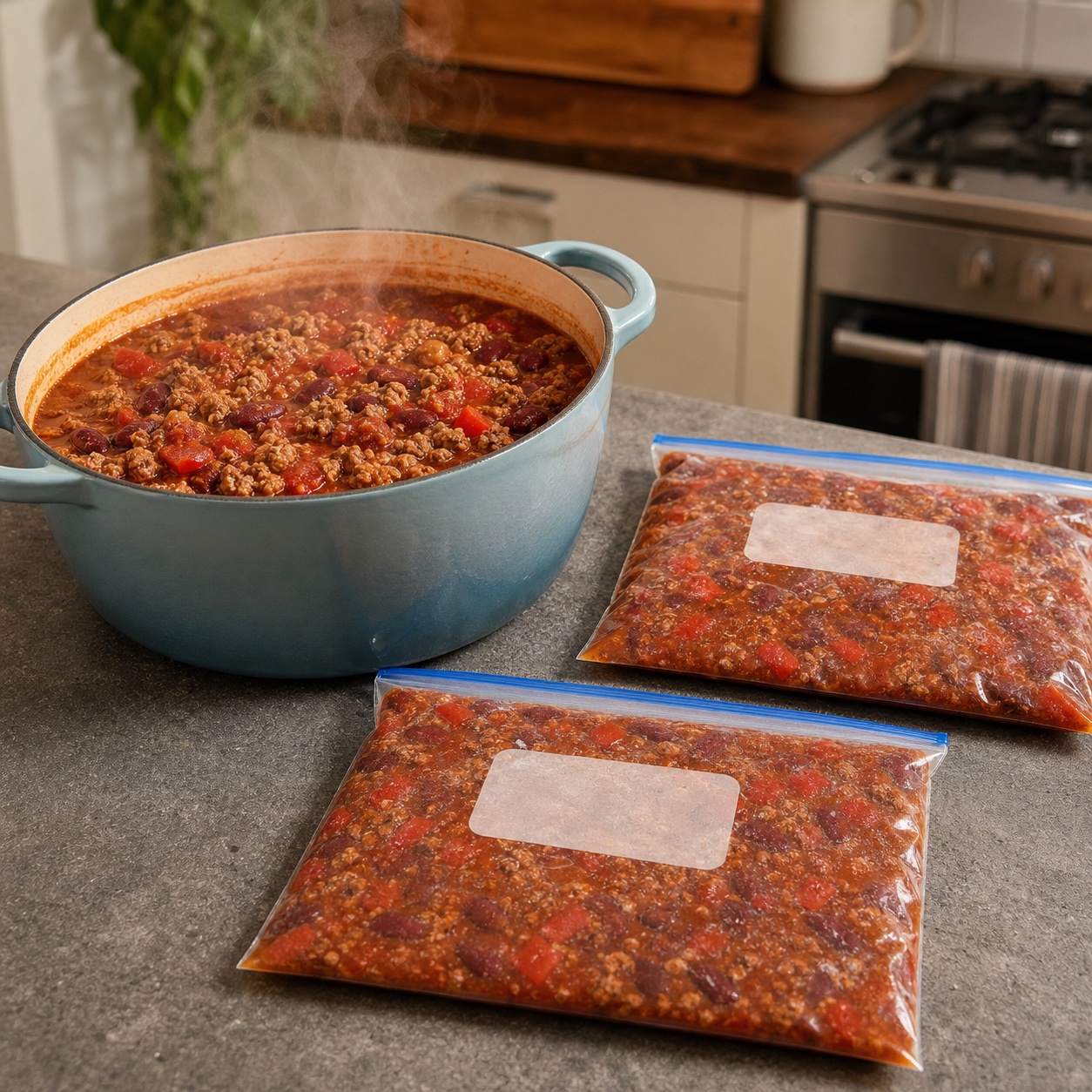
Freezer Turkey Chilli, Doubled on Purpose
A double batch of turkey chilli that freezes flat — thaws in a sink of water in twenty minutes on the nights you didn't plan ahead.
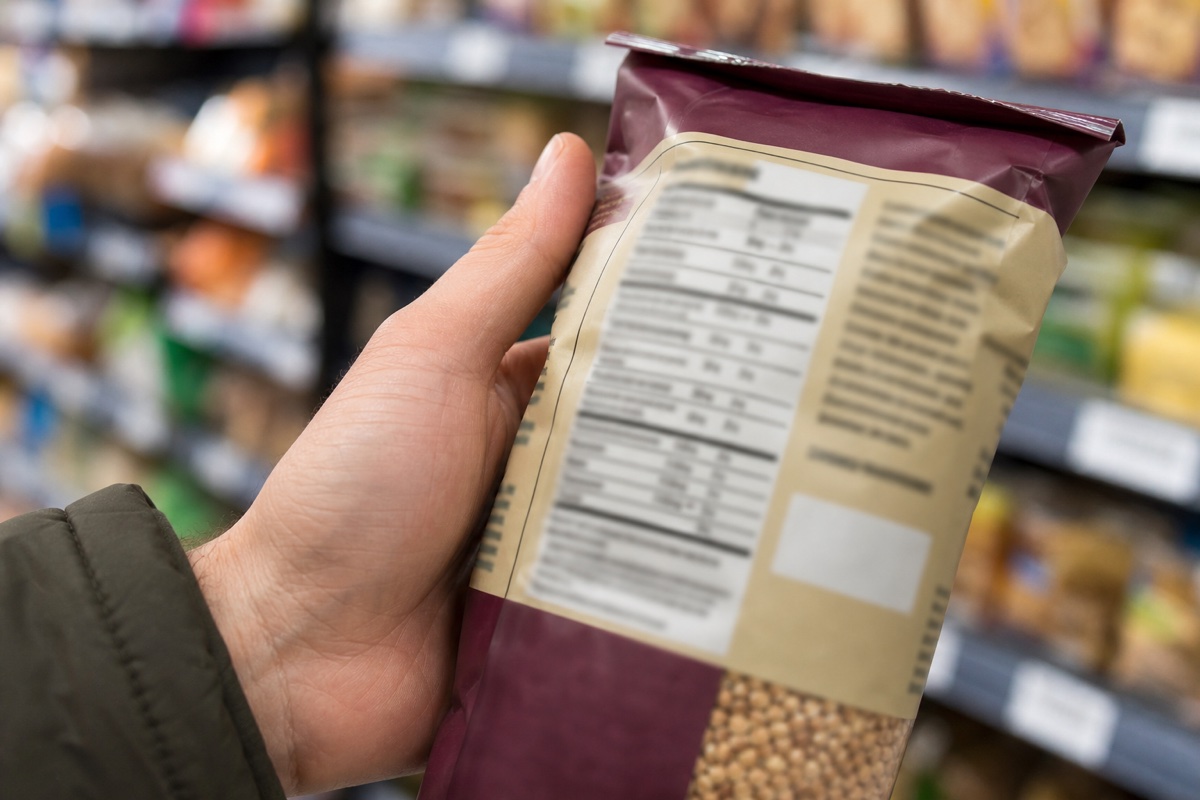
How to Read a Nutrition Label Without Losing an Hour
The four numbers on an Australian nutrition panel worth actually checking, and the ones you can safely ignore most of the time.